
Ocean Wave Hearing · Corpus Christi, TX
Best Hearing Aids in 2026: Top Brands and How to Choose
The best hearing aids are the ones that fit your hearing needs, feel comfortable, suit your daily activities and work within your budget. Compare specific models, features, professional fitting, warranty and total cost rather than brand reputation alone, and start with a hearing evaluation so the choice is based on your results.

By Ruben C. Cavazos, Jr., MS, HIS · Hearing instrument specialist, Ocean Wave Hearing, Corpus Christi
Quick answer: The best hearing aids are the ones that fit your hearing needs, feel comfortable, suit your daily activities and work within your budget. Compare specific models, features, professional fitting, warranty and total cost rather than brand reputation alone, and start with a hearing evaluation so the choice is based on your results.
Finding the best hearing aids in 2026 can be challenging with so many brands, styles, technologies, and price points available. From advanced digital hearing aids with Bluetooth connectivity to discreet in-the-ear designs and affordable over-the-counter options, choosing the right device requires more than comparing features or selecting the most expensive model.
The best hearing aids are those that address your hearing needs, fit comfortably, support your daily activities, and work within your budget.
Several leading manufacturers offer hearing technology for different listening environments and preferences, including Phonak, Starkey, Signia, Oticon, ReSound, and Widex. Understanding the differences between these brands, the available features, and the costs involved can help you make a more informed decision.
In this guide, we’ll compare leading hearing aid brands, explain the main styles and technology levels, explore hearing aid prices, and discuss how to choose a suitable option with help from Ocean Wave Hearing.
The Hearing Aid Market in 2026: What’s Changed?
Modern digital hearing aids are designed to do more than simply amplify sound. Many models use digital processing to make speech easier to understand and help users manage different listening environments.
Some important features to consider when comparing the best hearing aids in 2026 include:
Advanced sound processing: Depending on the model, hearing aids may automatically adjust settings according to the listening environment.
Background noise management: Directional microphones and noise-reduction features may help users focus on conversations in certain situations.
Bluetooth connectivity: Compatible devices can stream phone calls and other audio from supported smartphones and electronics.
Rechargeable batteries: Rechargeable models reduce the need to replace disposable batteries regularly.
Discreet designs: Receiver-in-canal and custom in-ear styles offer options for people who prefer less visible devices.
Smartphone applications: Supported apps may let users adjust volume, change listening programs, or personalize settings.
Personalized programming: Professional fitting and adjustments help tailor hearing aids to an individual’s hearing profile.
Not every hearing aid includes every feature. The right choice depends on which technologies are most useful for your everyday listening challenges.
Best Hearing Aid Brands in 2026: Comparing Your Options
One important consideration when choosing the best hearing aids is the manufacturer. Different brands offer their own product ranges, technology platforms, device styles, and personalization options.
Ocean Wave Hearing is an independent hearing aid provider, which means we aren’t limited to one manufacturer’s product line. We work across leading brands, including Phonak, Starkey, Signia, Oticon, ReSound, and Widex, to find the right combination of technology, comfort, and price for your hearing and your life.
Here is an overview of these six hearing aid manufacturers and what to consider when comparing their products.
1. Phonak Hearing Aids
Phonak offers hearing aids in multiple styles and technology levels, including models designed for everyday conversations, connectivity, and different listening environments.
Depending on the model, available features may include Bluetooth connectivity, rechargeable batteries, and automatic sound adjustments.
Consider Phonak if you want to compare:
Hearing aids with connectivity options for compatible devices.
Different technology levels and listening features.
Styles designed for different hearing needs.
Solutions for a variety of everyday listening environments.
The best Phonak model for you will depend on your hearing evaluation, preferred features, and budget.
2. Starkey Hearing Aids
Starkey provides a range of hearing aids with different designs, technology levels, and personalization features.
Selected models offer smartphone connectivity, rechargeable options, and additional technology features. Availability depends on the particular product.
Consider Starkey if you want to compare:
Different digital hearing aid styles.
Models with app-based controls and connectivity.
Available rechargeable options.
Technology levels suited to your listening needs.
Compare the capabilities of individual Starkey models rather than assuming that every device includes the same features.
3. Signia Hearing Aids
Signia offers hearing aids across several styles and technology levels, including discreet in-ear options and models designed to support conversations in different listening situations.
Depending on the model, features may include rechargeable batteries, wireless connectivity, and personalized sound adjustments.
Consider Signia if you want to compare:
Discreet hearing aid designs.
Rechargeable options.
Models with smartphone connectivity.
Different technology levels and customization features.
Your hearing needs and preferred style should guide the selection process.
4. Oticon Hearing Aids
Oticon offers a range of hearing aids designed to support listening and speech understanding through its sound-processing technologies.
The product range includes different styles and technology levels, with features varying by model.
Consider Oticon if you want to compare:
Different approaches to sound processing.
Hearing aids for a variety of listening environments.
Available rechargeable and connectivity options.
Models that can be professionally programmed to your hearing profile.
An appropriate fitting is essential for evaluating how well a particular Oticon device meets your needs.
5. ReSound Hearing Aids
ReSound offers hearing aids with different designs, connectivity capabilities, and personalization options.
Selected models support smartphone applications, wireless streaming, and rechargeable batteries.
Consider ReSound if you want to compare:
Bluetooth and other supported connectivity options.
App-based adjustments.
Rechargeable hearing aid designs.
Different styles and technology levels.
Always check compatibility with your specific smartphone and other devices before purchasing.
6. Widex Hearing Aids
Widex provides hearing aids in several styles and technology levels, with product options designed around different listening preferences.
Depending on the model, features may include sound personalization, rechargeable batteries, and connectivity options.
Consider Widex if you want to compare:
Different sound-processing approaches.
Personalized listening settings.
Available rechargeable options.
Styles suitable for your hearing needs and preferences.
A hearing professional can help you evaluate how a specific Widex model performs in your everyday listening environments.
How to Choose the Best Hearing Aids for Your Needs
The best hearing aids for you depend on several factors beyond the manufacturer or price.
1. Understand Your Type and Degree of Hearing Loss
A hearing evaluation helps identify the type and degree of hearing loss and guides the selection of suitable hearing technology.
Someone with mild hearing loss may have different requirements from someone with moderate or severe hearing loss. Hearing loss can also affect different frequencies, which influences the type of amplification needed.
A qualified hearing professional can help interpret your results and recommend appropriate options.
2. Match Hearing Aids to Your Lifestyle
Think about the situations in which you most often struggle to hear.
At home: You may want to prioritize family conversations and comfortable television listening.
At work: Phone compatibility, speech clarity, and connectivity may be important.
In restaurants: Directional microphones and noise-management features may help with conversations.
During phone calls: Bluetooth streaming may provide added convenience.
While traveling: Rechargeable batteries, comfortable fit, and simple controls may be useful.
Choosing features that address your real-world needs can be more valuable than purchasing the model with the longest feature list.
3. Consider Comfort and Hearing Aid Style
Hearing aids are generally designed for regular use, so comfort matters.
Some people prefer a device that sits behind the ear, while others prefer a custom-made model that fits inside the ear. Ear shape, dexterity, skin sensitivity, and personal preferences can all affect the best choice.
Ask about available styles and whether adjustments can be made if the device feels uncomfortable.
4. Compare Technology and Connectivity
Bluetooth, rechargeable batteries, smartphone apps, and advanced noise processing can improve convenience for some users. However, these features may not be necessary for everyone.
Think about which capabilities will make a meaningful difference in your everyday life and compare the specific models that offer them.
5. Evaluate Professional Support
Hearing aids may need adjustments as you become accustomed to them or your listening needs change.
Ask whether the purchase includes professional fitting, programming, follow-up appointments, warranty coverage, and repair services.
These services are important considerations when comparing the overall value of hearing aids.
Which Hearing Aid Style Is Right for You?
The physical design of a hearing aid affects its visibility, comfort, handling, and potential features.
Behind-the-Ear (BTE)
Behind-the-ear hearing aids sit behind the ear and deliver sound through tubing or an earpiece.
They are available for a wide range of hearing needs and may be easier for some users to handle and maintain.
Receiver-in-Canal (RIC)
Receiver-in-canal hearing aids have a small housing behind the ear, with a receiver positioned in the ear canal.
They are often chosen for their lightweight design and combination of discreet appearance and modern features.
In-the-Ear (ITE)
In-the-ear hearing aids fit within the outer ear and are generally custom-made.
They may suit people who prefer a self-contained design without a separate housing behind the ear.
In-the-Canal (ITC) and Completely-in-Canal (CIC)
In-the-canal hearing aids fit partly or more deeply inside the ear canal.
Their smaller size can make them less noticeable, but they may be harder to handle and clean. Their available features and suitability depend on the device and the user’s hearing needs.
The best hearing aid style is the one that combines appropriate hearing support with a comfortable and practical fit.
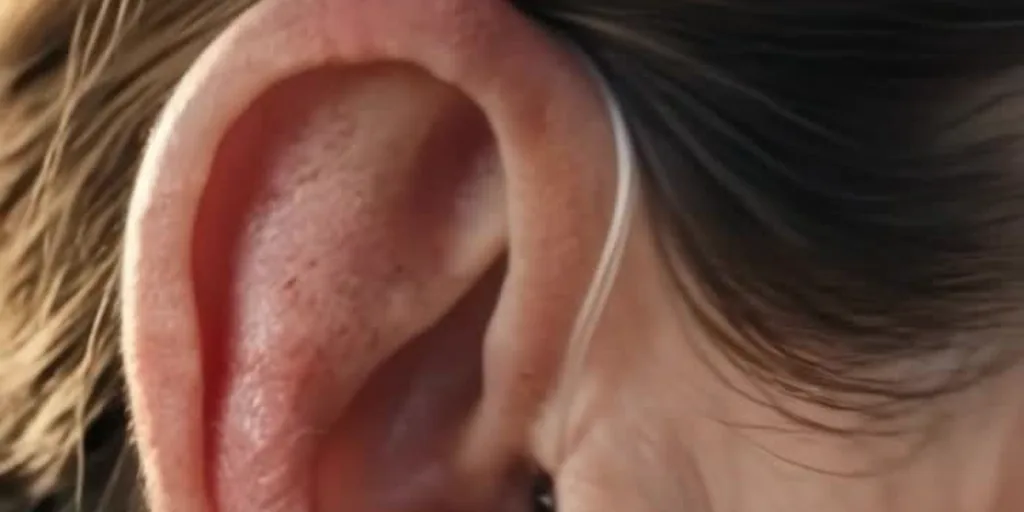
How Much Do Hearing Aids Cost?
Hearing aid prices vary with the technology level, the style, the professional services included and whether you need one device or two. At Ocean Wave Hearing, every technology tier includes a hearing evaluation, professional fitting and programming, and follow-up care, and your final price is confirmed during your consultation.
For our published starting prices and what drives the cost, see what hearing aids cost in Corpus Christi. For monthly payment options, see pricing and financing.
So, Which Hearing Aid Is Best for You?
The best hearing aids in 2026 are not necessarily the most expensive or the smallest. They are the devices that suit your hearing needs, lifestyle, comfort preferences, and budget.
When comparing hearing aids, consider leading manufacturers such as Phonak, Starkey, Signia, Oticon, ReSound, and Widex. Compare specific models, available features, professional fitting, warranty coverage, and the total cost rather than relying on brand reputation alone. The NIDCD gives similar advice: price alone shouldn’t decide it, and warranty, service and repair costs are worth comparing too.
At Ocean Wave Hearing, our independent approach allows us to explore options across multiple manufacturers and match hearing technology to your lifestyle. Bluetooth streaming, rechargeable batteries, discreet in-the-ear styles, and lifestyle-based technology matching are standard parts of every consultation—not upsells.
If you are ready to explore your options, we can help you understand the available technologies, compare pricing, and find a hearing solution that fits your needs.
Call Ocean Wave Hearing at (361) 321-4491 to take the next step.
Frequently Asked Questions
The best hearing aids depend on your hearing test results, lifestyle, comfort preferences, and budget. Phonak, Starkey, Signia, Oticon, ReSound, and Widex offer a range of devices, but the best model for you depends on its features, fit, and suitability for your hearing needs.
There is no universally best hearing aid brand. Each manufacturer offers different technologies and models. Comparing specific devices and getting professional guidance can help you identify the right option.
Hearing aid prices vary by technology level, manufacturer, style, and included services. Ocean Wave Hearing publishes starting prices for each technology level in our hearing aid cost guide. Your final price depends on your selected device and individual needs
Monthly financing may be available through third-party providers. Eligibility, interest rates, fees, and repayment terms depend on the financing provider and approved offer. Visit the Ocean Wave Hearing financing page for information about available options.
Sources
- Hearing Aids, National Institute on Deafness and Other Communication Disorders (NIDCD), NIH
- Types of Hearing Aids, U.S. Food and Drug Administration (FDA)